On the Dignity of Life —
A project exploring coexistence as a way to counteract species extinction
Design for
Every Life.
This project explores how scientific knowledge and philosophical approaches can help develop new ways of thinking in response to the ongoing crisis of species extinction.
It examines how inclusive forms of thinking might be fostered in order to extend human perception beyond the human, toward other living beings. This experimental approach draws on the ideas of science historian and feminist theorist
Donna Haraway.

Pauli, Marko: The Largest Mass Extinction in 66 Million Years (24 March 2022). Online: Deutschlandfunk Kultur,
https://www.deutschlandfunkkultur.de/biodiversitaet-artensterben-folgen-100.html (Accessed: 28 September 2023).
The last major mass extinction occurred around 70 million years ago, claiming, among others, the dinosaurs. Today, approximately 150 species—both animals and plants—become extinct every day, disappearing from the planet forever.
We humans need a comprehensive empathy for all living beings.
We humans need a comprehensive empathy for all living beings.

Donna
Haraway
Haraway engages with unconventional ideas and visions of a just world. Central to her thinking is the dismantling of hierarchies and the call to form kinship with other living beings. She challenges us to overcome dualisms such as nature versus culture or human versus animal. In particular, Haraway emphasizes the importance of integrative and participatory approaches that enable the preservation of biodiversity.
Through this perspective, Haraway offers an important foundation for imagining a sustainable future—one that is based on deeper connections between human and non-human beings and the natural world. She encourages us to engage with endangered species and to understand ourselves as part of a vast web of relationships.


How can design and aesthetic theory open up meaningful spaces of resonance in the current crisis of species extinction?
The work consists of both a theoretical component and an artistic–practical one—two distinct parts that function only through their coexistence. The theoretical section serves as the scholarly foundation of the project. It is divided into a conceptual framing of the topic and a section that addresses the coexistence of humans and animals.
The themes explored in this written part include the concept of the Anthropocene, dualisms, symbiosis, interspecies relationships, human–animal studies, and various approaches to animal ethics. All of these theoretical perspectives come together—like a thread game—to form a “Manifesto of Coexistence,” which acts as a bridge to the artistic practice.
-
![]()
sheep
-
![]()
glacier
-
![]()
cattle
-
![]()
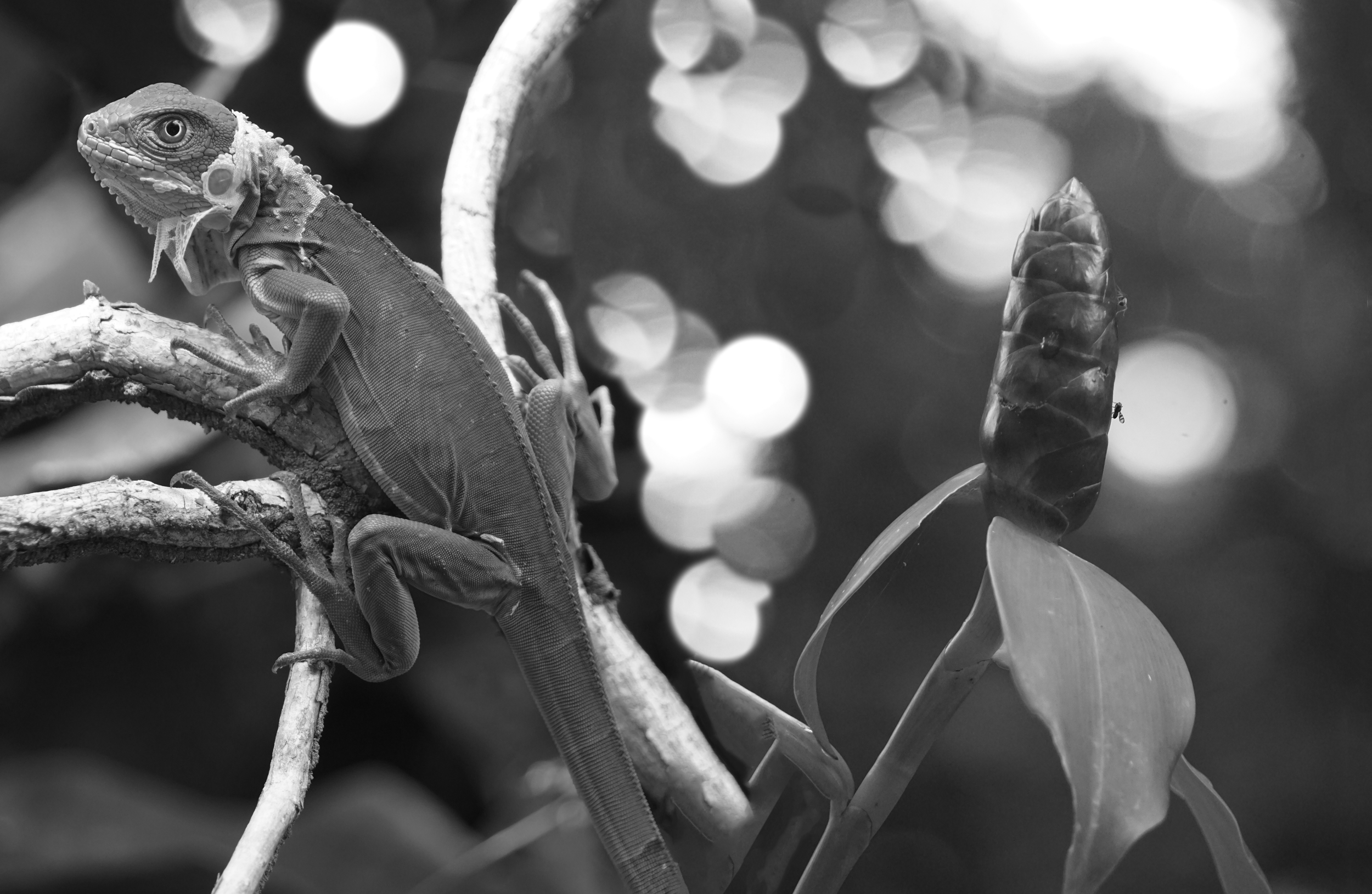
lizard
-
![]()
flock of sheep
-
![]()
beetle
-
![]()
red deer
-
![]()
doplhin
-
![]()
wildflower meadow




Habitats for
Non-Human Beings

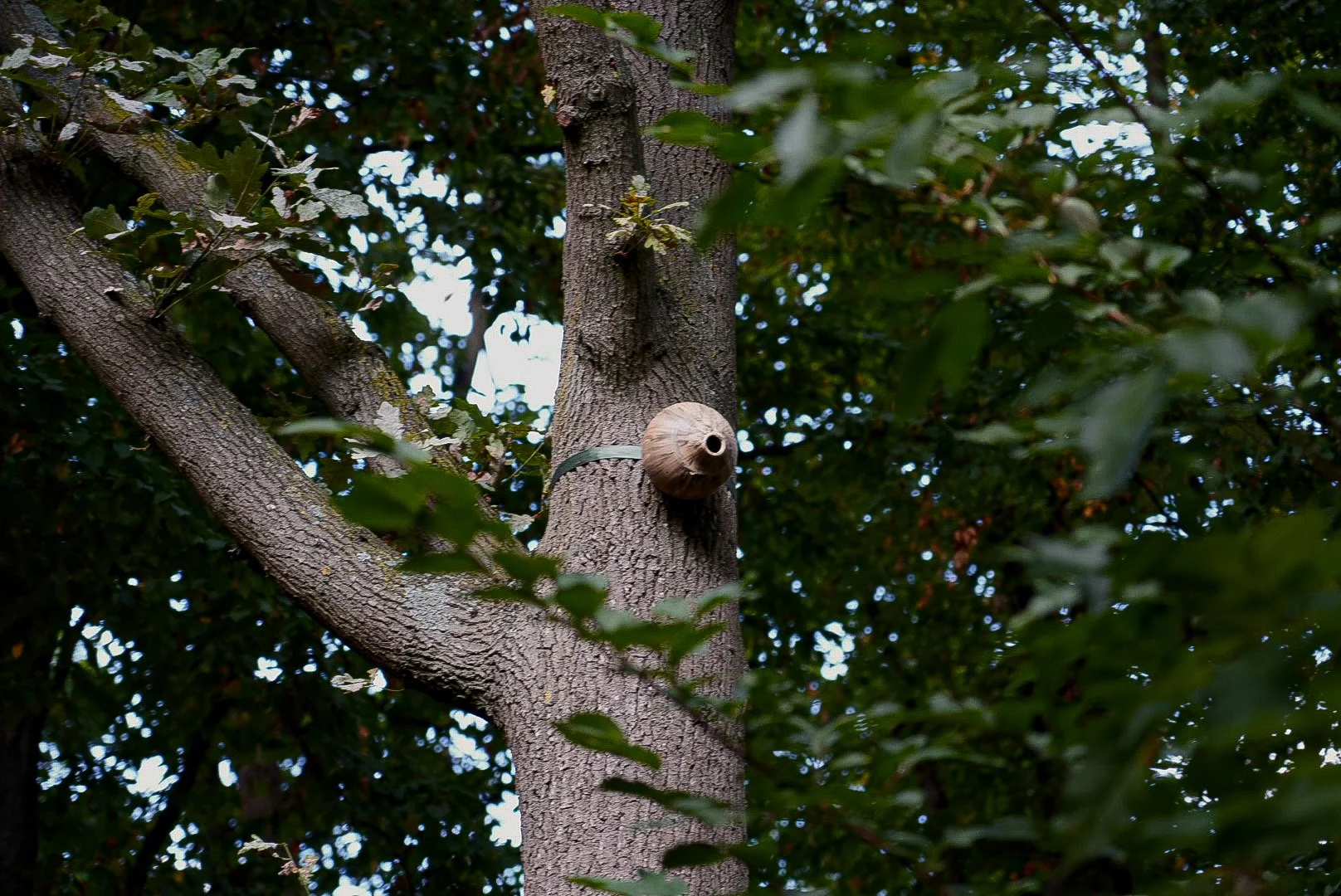
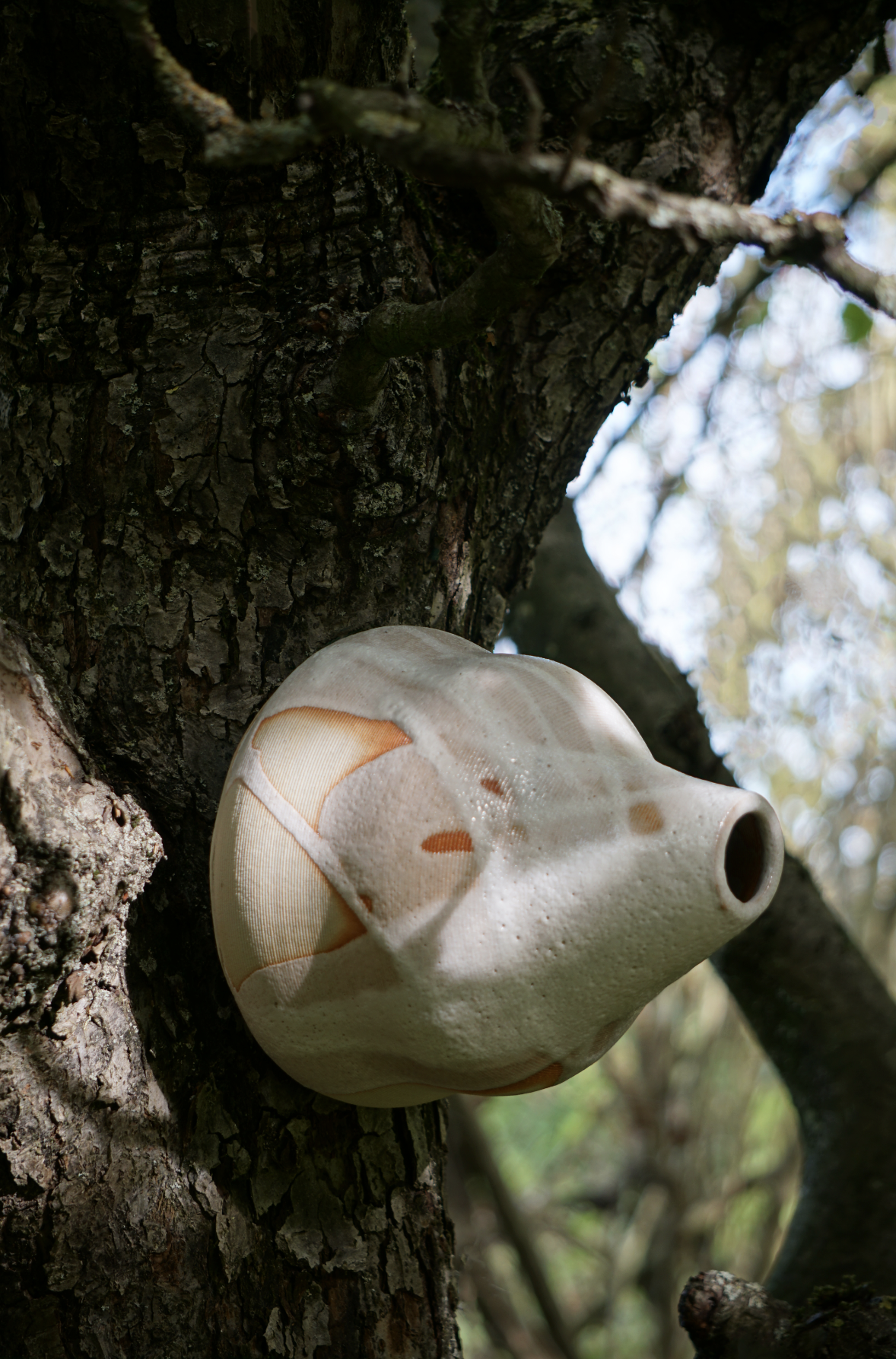
In the practical part of the project, dwellings for endangered species were analyzed as objects of research. Few objects reflect the human–animal relationship as fundamentally as the familiar birdhouse. These structures are inspired by human architecture and project our own perspective onto other forms of life. This anthropocentric approach is precisely what the project seeks to challenge by experimentally exploring the notion of dwelling through knowledge generated in the research process.
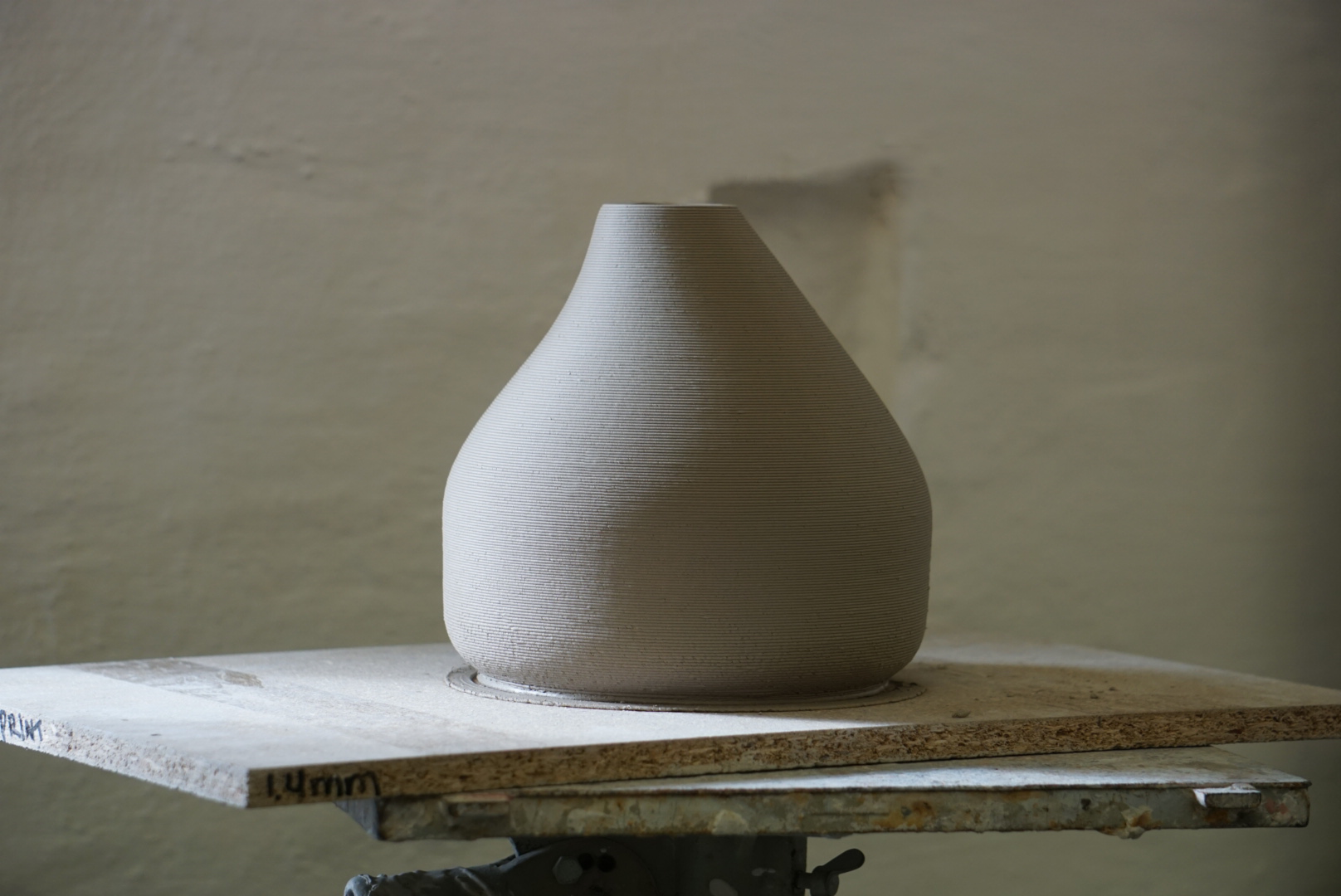
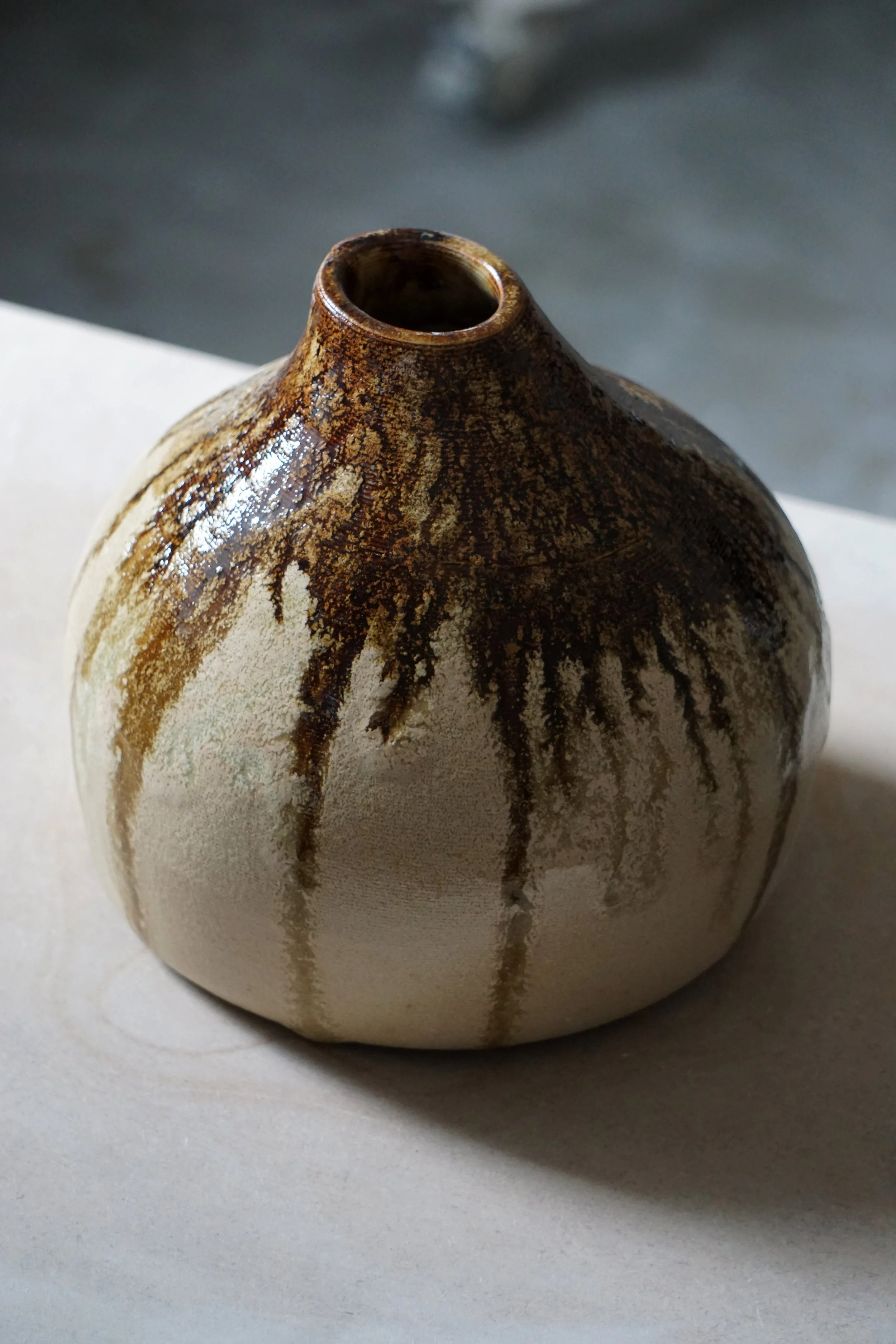
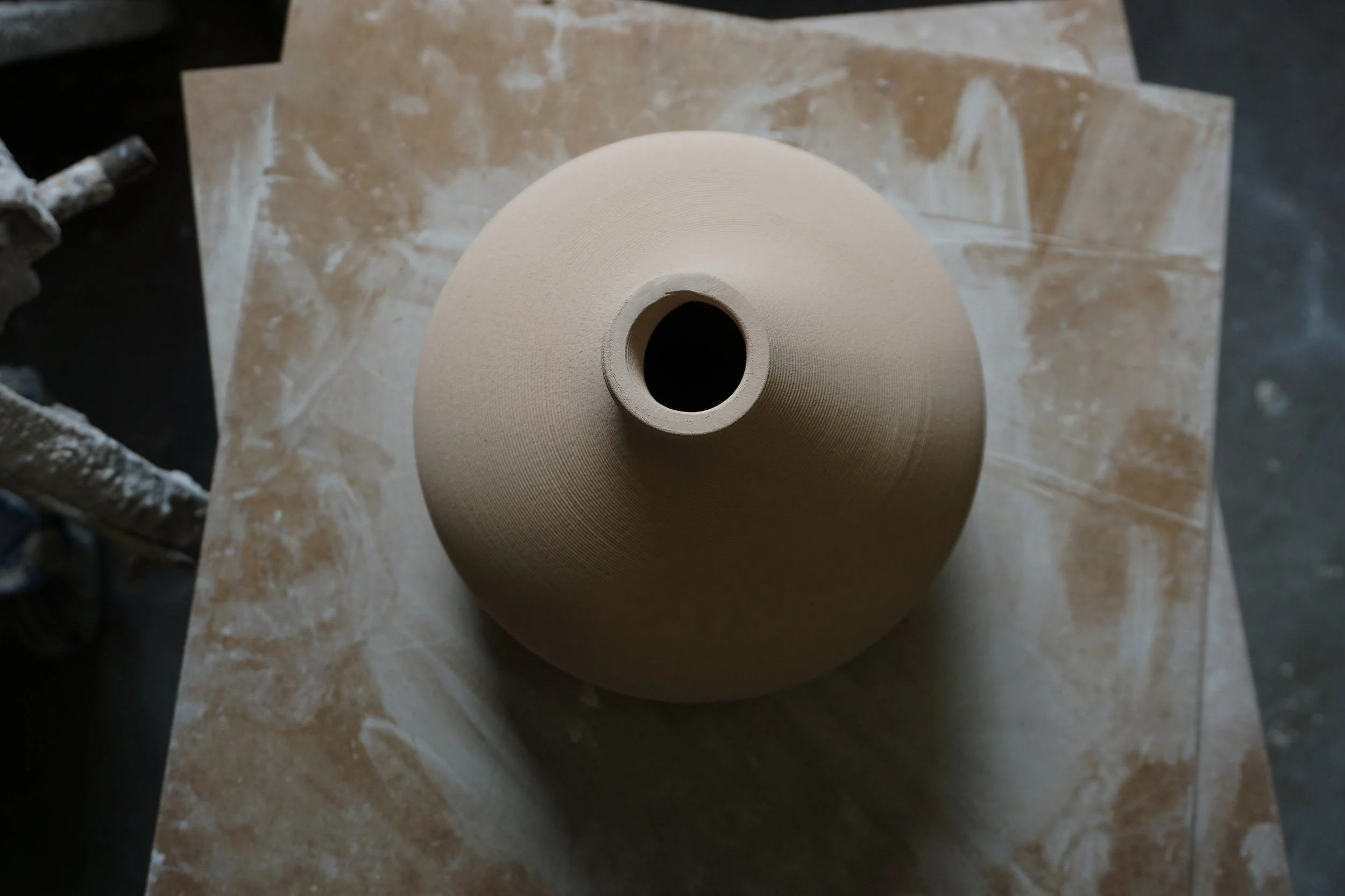
The result is a series of new habitats designed for endangered species in the European context, such as sparrows, wild bees, and hedgehogs. These dwellings were digitally developed using 3D modeling software based on natural algorithms and produced with a ceramic 3D printer. The black glaze symbolically envelops the objects—mirroring the ongoing extinction of species that is spreading across the planet.
-
![]()
Habitats for Wild Bees
-
![]()
Habitats for Sparrows
-
![]()
Habitats for Hedgehogs
-
![]()
Habitats for Wild Bees
-
![]()
Habitats for Sparrows
-
![]()
Habitats for Wild Bees
-
![]()
Habitats for Sparrows
-
![]()
Habitats for Wild Bees
-
![]()
Habitats for Sparrows
-
![]()
Habitats for Wild Bees
-
![]()
Habitats for Sparrows


3D Printing
Completion

Bisque Firing




Master's Thesis: Janina Ebner
Master's Thesis: Janina Ebner

Supervised by Prof. Tanja Diezmann, Prof. Detlef Rahe
Supervised by Prof. Tanja Diezmann, Prof. Detlef Rahe